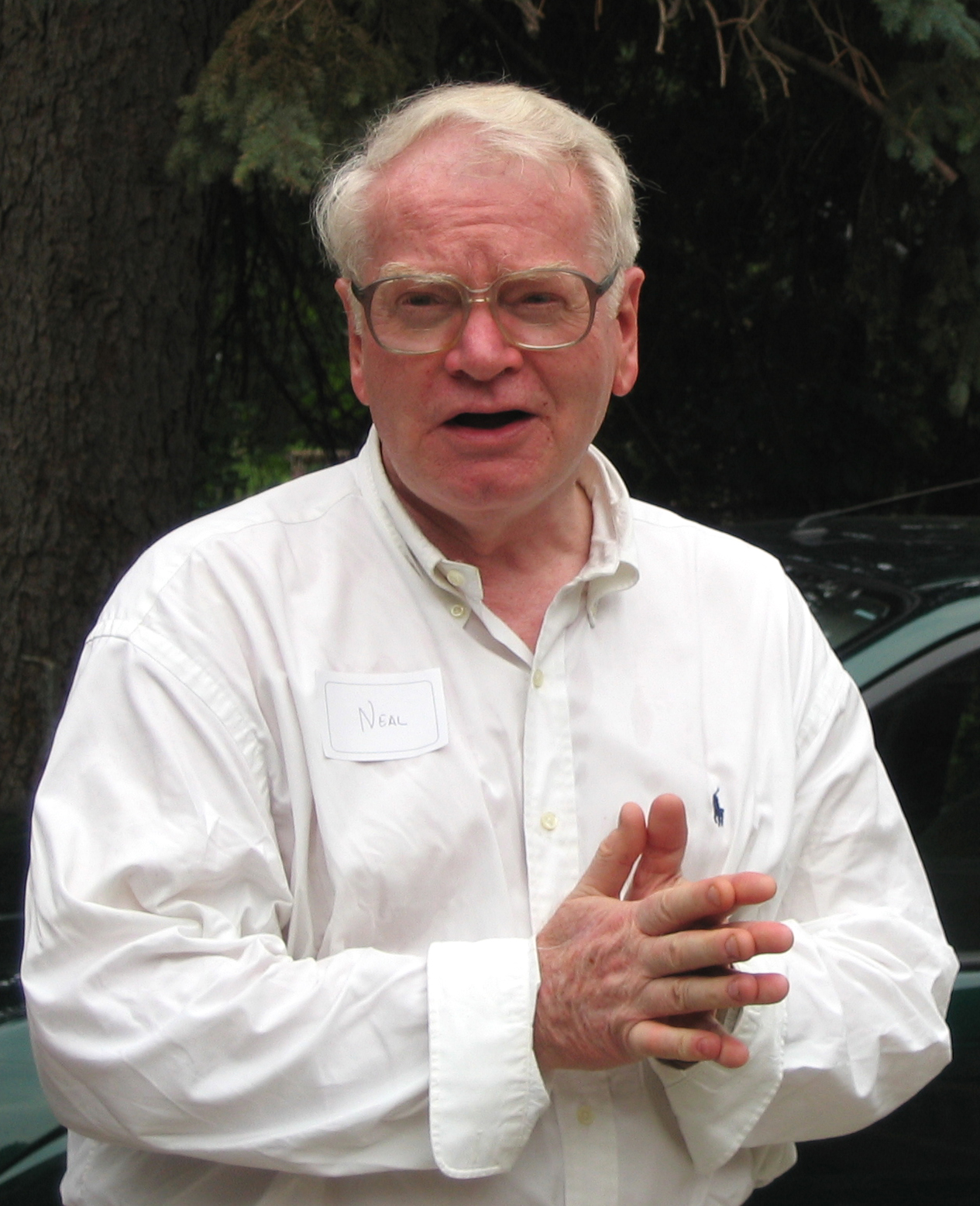
Neal Ball was a man whose single act of humanity sparked a movement that grew into a global force for good.
In 1978, Neal Ball was a successful businessman in Chicago. Like many Americans, he felt compelled to respond when faced with the global refugee crisis emerging from Southeast Asia. So, he agreed to sponsor a Laotian refugee. Neal initially thought his role would be limited to writing a monthly check. But that expectation quickly changed when he received a call informing him that the refugee he had sponsored was already on the way to the airport to begin a new life in the United States.
That refugee was Phunguene Sananikone, and his arrival marked a turning point – not only for Neal, but for millions of others around the world.
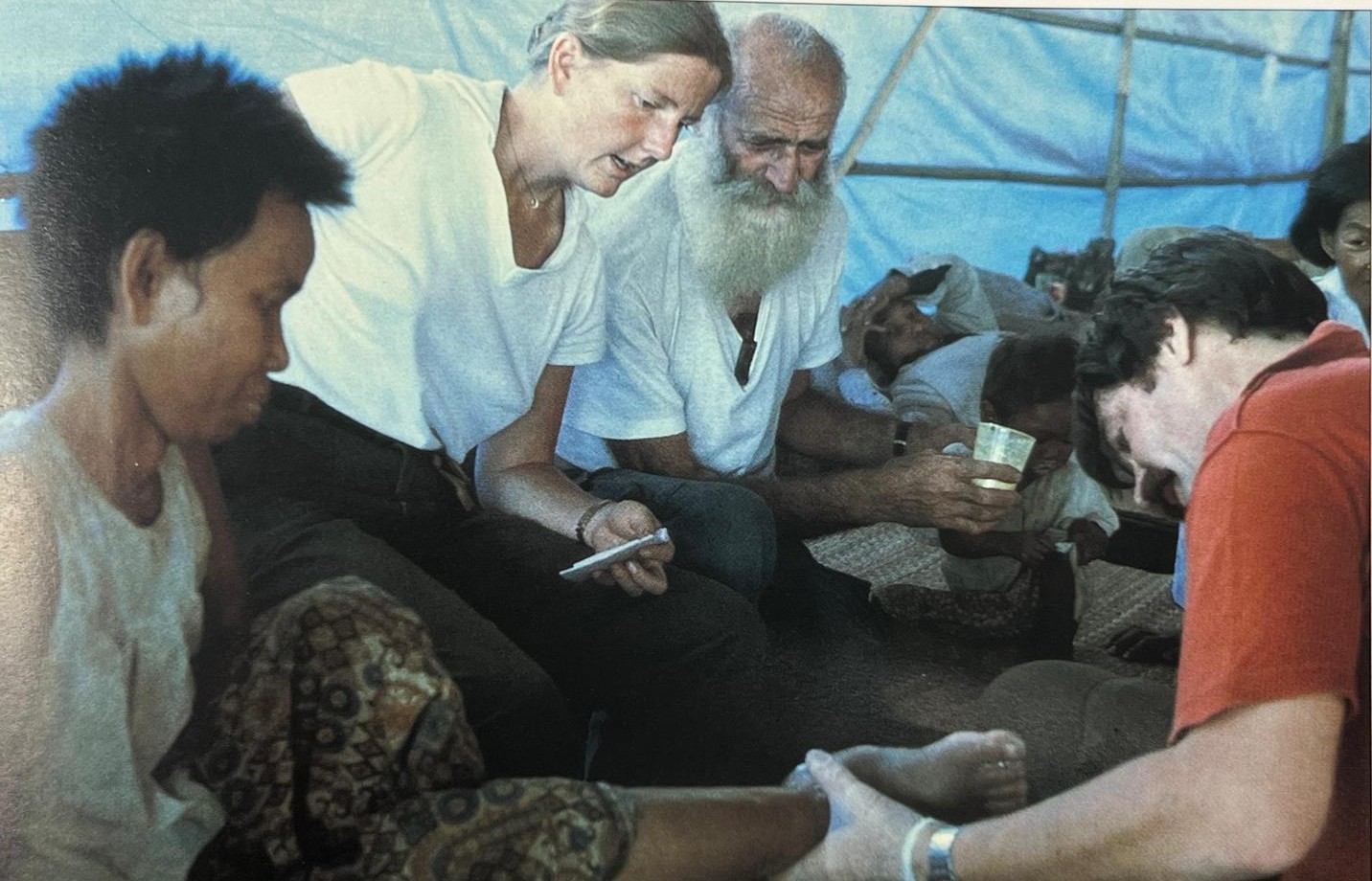
Neal soon learned that part of Phunguene’s family was still stranded in refugee camps in Thailand, some at risk of being forcibly returned to communist Laos. Without hesitation, Neal flew to Thailand himself. He walked through six different refugee camps. He found the family – two brothers who had swum across the Mekong River, another living under a plastic tent. He intervened with a congressional inquiry, preventing their deportation. Slowly, over five years, the entire family was reunited in the U.S.
But Neal didn’t stop there.
In those refugee camps, he saw something that couldn’t be unseen: the profound, unmet medical needs of displaced people. “That was when I started to see their medical needs. I became aware of the need for doctors and nurses to go over to Thailand,” Neal explained. “We made an early commitment, not knowing how we were going to do it, to send 75 doctors and nurses over the course of a year to refugee camps in Thailand. It went way over that number.”
This is how the American Refugee Committee – now known as Alight – started.