Stories

Alight Staff Spotlight: Svitlana Boshkova, Mental Health Specialist

Meet Svitlana — Alight's Mental Health Specialist in Kharkiv, supporting families and war veterans while living through the same crisis herself.
No items found.
No items found.

Based in Kharkiv, Svitlana Boshkova, Alight's Mental Health and Psychosocial Support (MHPSS) Specialist, lives through the same conditions as the people she supports – woken by the same air-raid alerts, carrying the same low hum of worry. The city continues to endure regular airstrikes, and has absorbed more than 200,000 displaced people on top of residents who never left. Daily life is shaped by uncertainty, exhaustion, and near-constant air raid sirens. Svitlana's own hometown, a smaller town elsewhere in Ukraine's northeast, close to the border, was badly damaged when the full-scale invasion began.

Experiencing the conflict first-hand shapes how Svitlana sees her work. For her, mental health support isn't a secondary concern to be addressed once the "real" needs – shelter, food, safety – are met. It's inseparable from them. In a protracted crisis, wellbeing becomes a form of infrastructure: without it, people can't keep working, caring for their families, or rebuilding their communities. The World Health Organization estimates that 9.6 million Ukrainians are struggling with mental health conditions, with nearly 4 million already facing severe trauma-related disorders like PTSD, depression, and anxiety. For children, the picture is just as stark: in one study, over a third of adolescents showed symptoms of trauma.  
Helping people carry what they're carrying

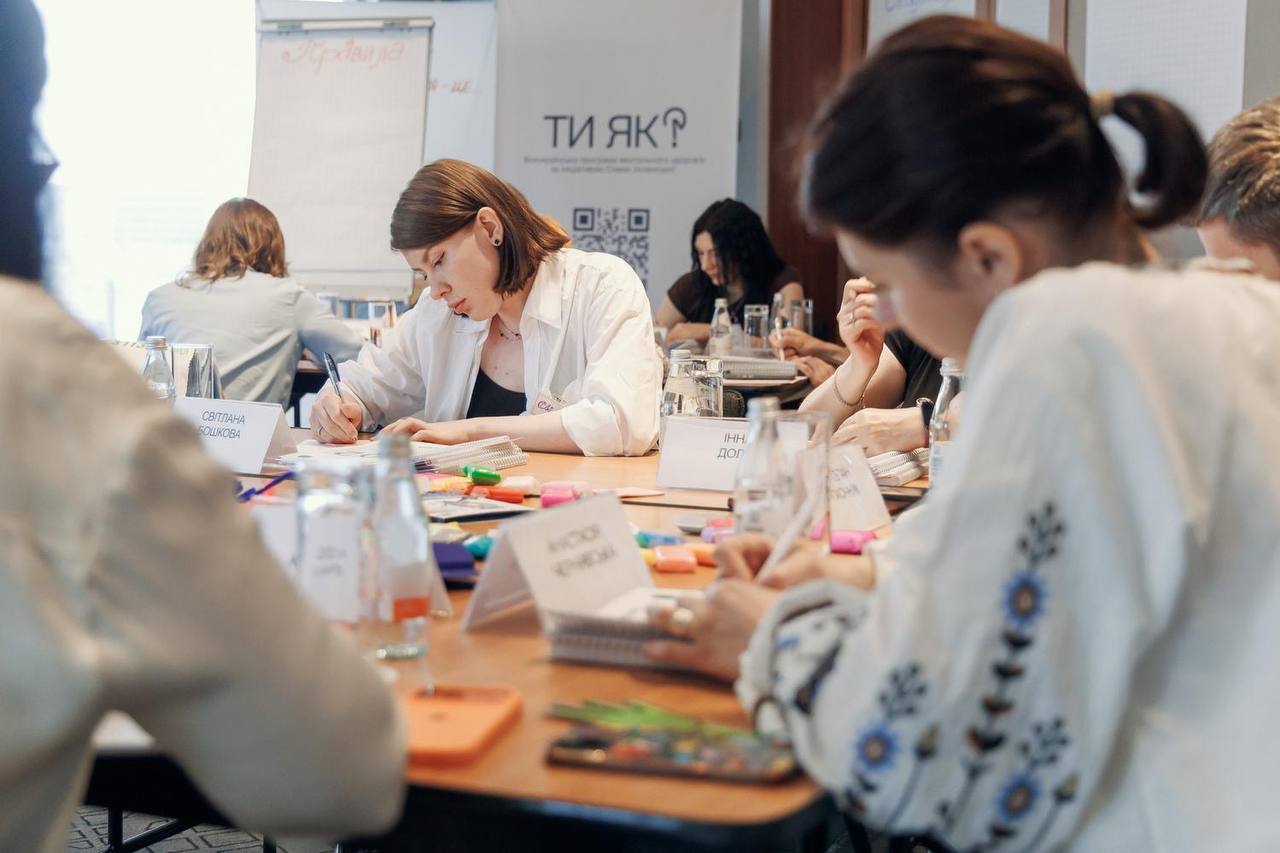
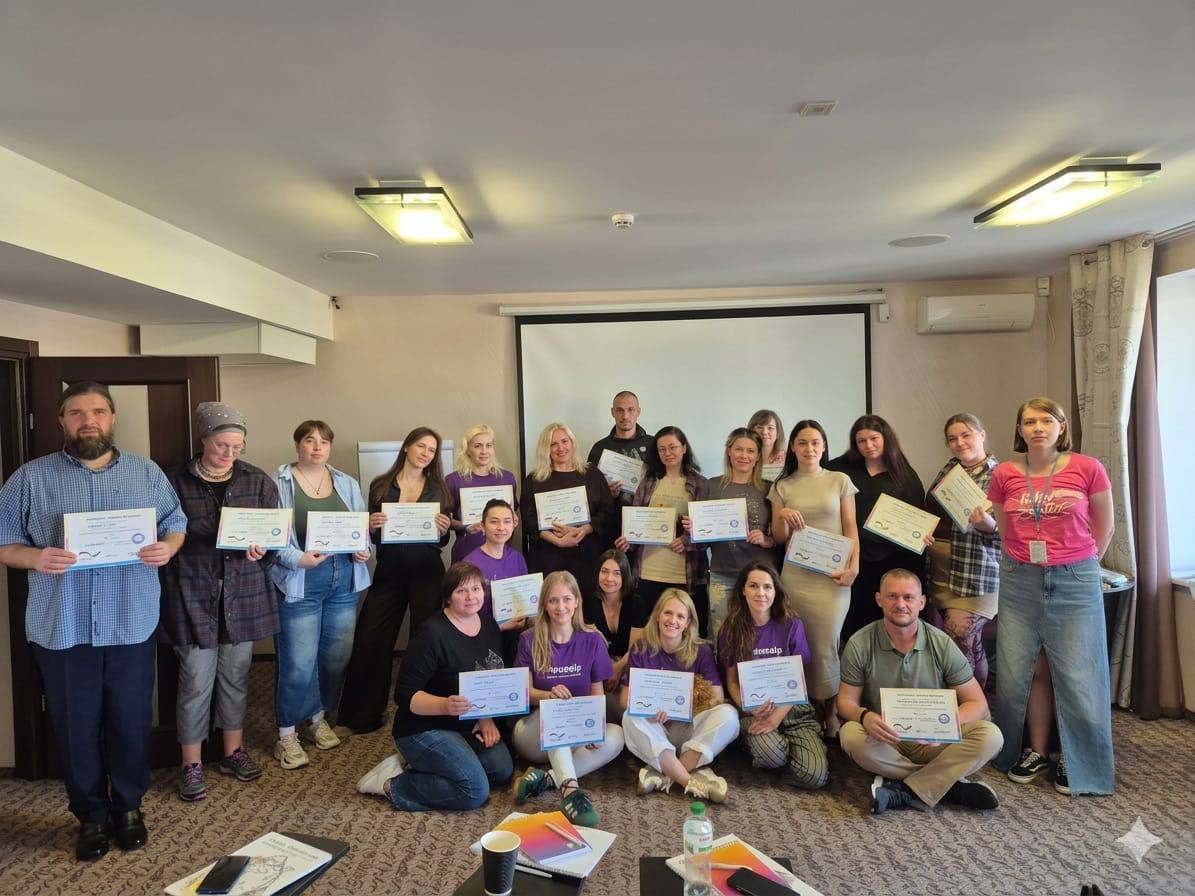
As Alight's MHPSS Specialist, Svitlana spends her days training colleagues on a specific response technique, adjusting a program because the needs on the ground have shifted, coaching a team on how to hold a conversation differently because of who's in the room. A lot of her work means helping other humanitarian workers understand what people need emotionally and psychologically, not just physically, and making sure that understanding – and the support built from it – is genuinely inclusive of who people are and what they're going through.

One of Svitlana’s main focuses is strengthening the capacity of local civil society organizations in Ukraine that work with war veterans and their families – people who often carry wounds no one can see. It's also, for Svitlana, a chance to help shape how psychological support standards evolve in Ukraine over the long term, learning from established best practice while building something durable enough to outlast any single project.

Svitlana also works with children and adolescents, which is of particular importance to her. Supporting young people to cope with what's happening to them right now helps them build the emotional skills and sense of safety they'll carry for the rest of their lives. "When children and adolescents have someone who listens to them, takes their feelings seriously, and helps them understand themselves," she says, "it can make a real difference in how they experience difficult circumstances and how they build their future."

Page: /

A path that started with listening

Svitlana's interest in supporting others goes back to her teenage years. She trained first in special education, spending nearly five years working with children with disabilities, helping them reach their potential. That led her to a second degree in psychology, and from there into mine and explosive ordnance risk education – teaching communities and training teachers on how to talk to students safely about the dangers around them. It was only when she moved into child protection and psychosocial support that something clicked. "This was when I realised that this field was truly for me," she says. "I felt that I was in the right place."

Nearly a year ago, that path led her to Alight. What drew her in wasn't a job description – it was recognizing the organization's values as close to her own, especially the idea of staying human-centered: remembering that behind every programme, every number, every statistic, there is a real person with their own story, needs, and strengths. "For me, my work is a way to bring some light and practical support during a very difficult period for my people and my country," she says. "It is an opportunity to help people develop resilience, learn how to care for themselves, and support each other."

Why mental health is key

Uncertainty, that is constant. Stress, that never fully switches off. Trauma, that resurfaces without warning. Fear, that reshapes how people move through an ordinary day. Living through the war affects everyone, even if they carry it differently: a grandmother sheltering alone, a teenager who has grown up to the sound of alerts, a father separated from his family. Making sure that support actually reaches people where they are, in a form that fits their situation, is the work Svitlana Boshkova does, day in and day out.  

Alight's approach to mental health in the region goes beyond one-on-one counselling. It includes training local facilitators – teachers, social workers, volunteers – to lead stress-management sessions in shelters and classrooms; building partnerships with local organizations to reach people who might otherwise be overlooked, including elderly residents isolated in collective shelters; and working to connect trauma survivors to care through clear referral pathways, rather than leaving them to navigate a fragmented system alone.

On World Mental Health Day, we pause to honor and recognize the work done by Svitlana, and many other Alight team members – the work that allows people to come out the other side of a crisis still able to live, work, and care for one another.

—

Tags

No items found.

Stay in the loop
join our newsletter

Stay connected and learn how we respond to emergencies, amplify displaced voices, and provide sanctuary for those facing adversity.