Stories

Bead by bead: Building skills and possibility in Nairobi

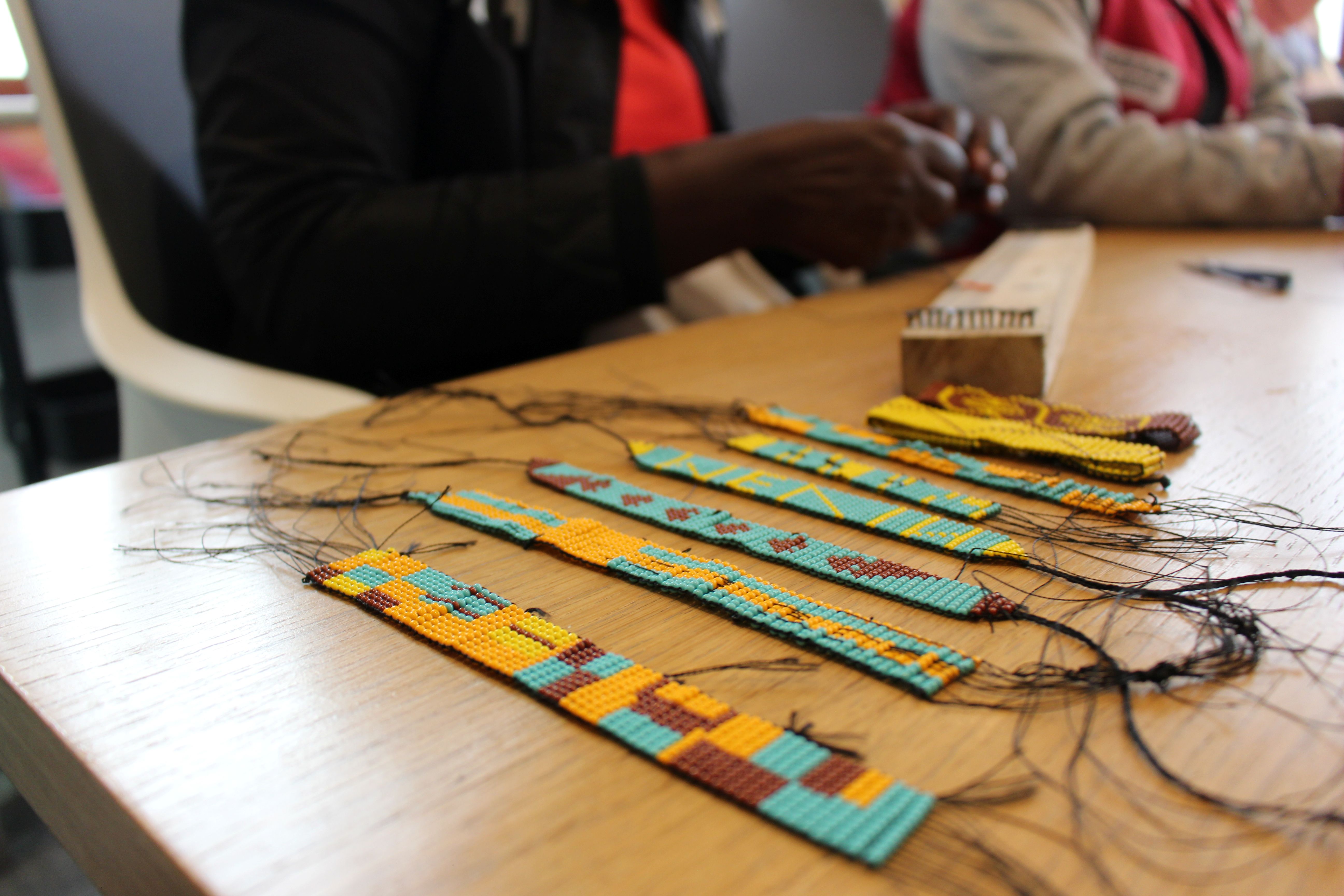
Between May and August 2026, Alight partnered with Bawa Hope and L’afrikana to provide 21 adults from refugee and host communities with training in beaded jewelry making.

At Alight’s Nairobi Hub, our staff wear their IDs on beaded lanyards made by Bawa Hope. Each one carries the care and skill of a local artisan’s hands. This year, that connection grew into something more meaningful: an opportunity to help community members turn their creativity into a pathway towards economic independence.

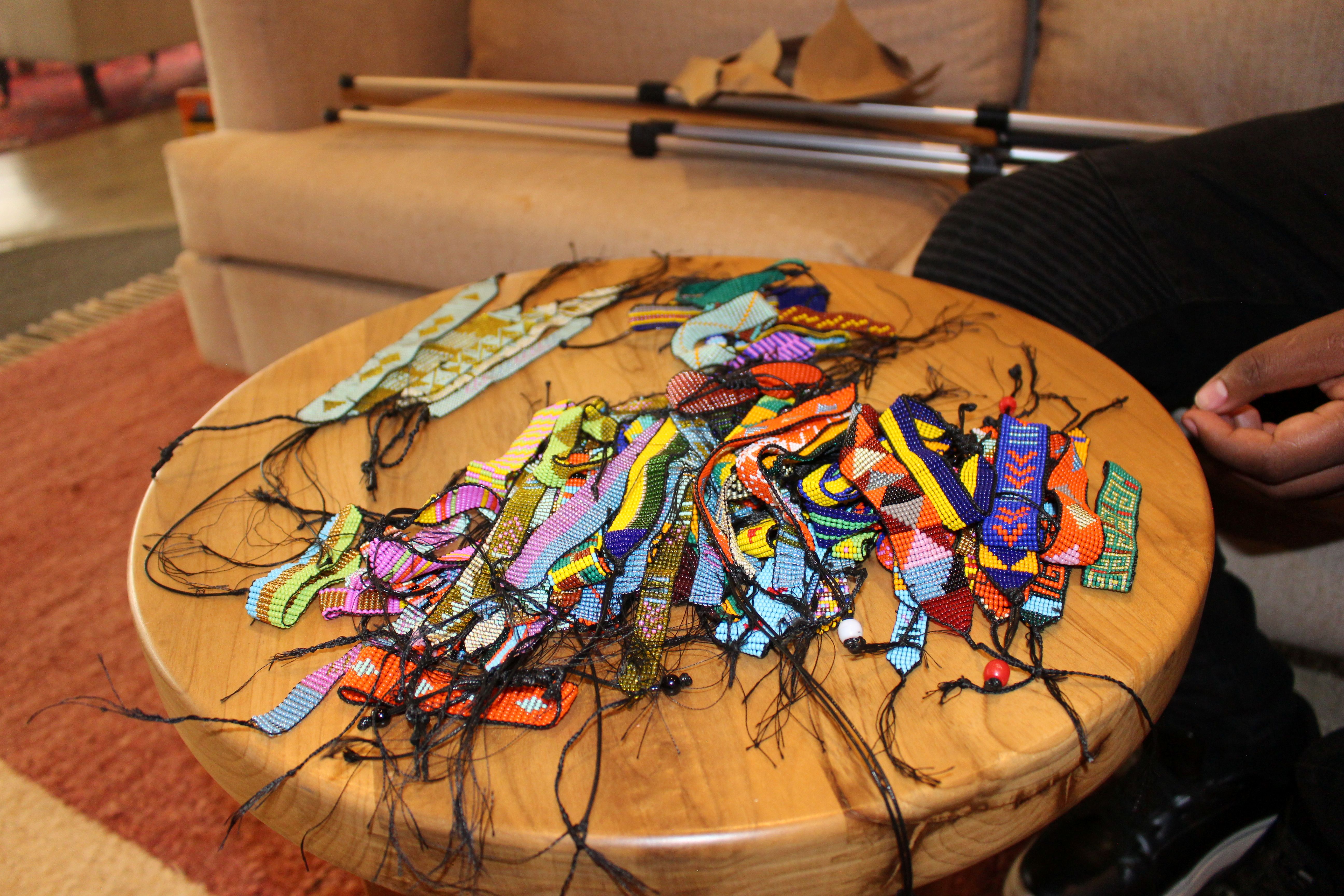
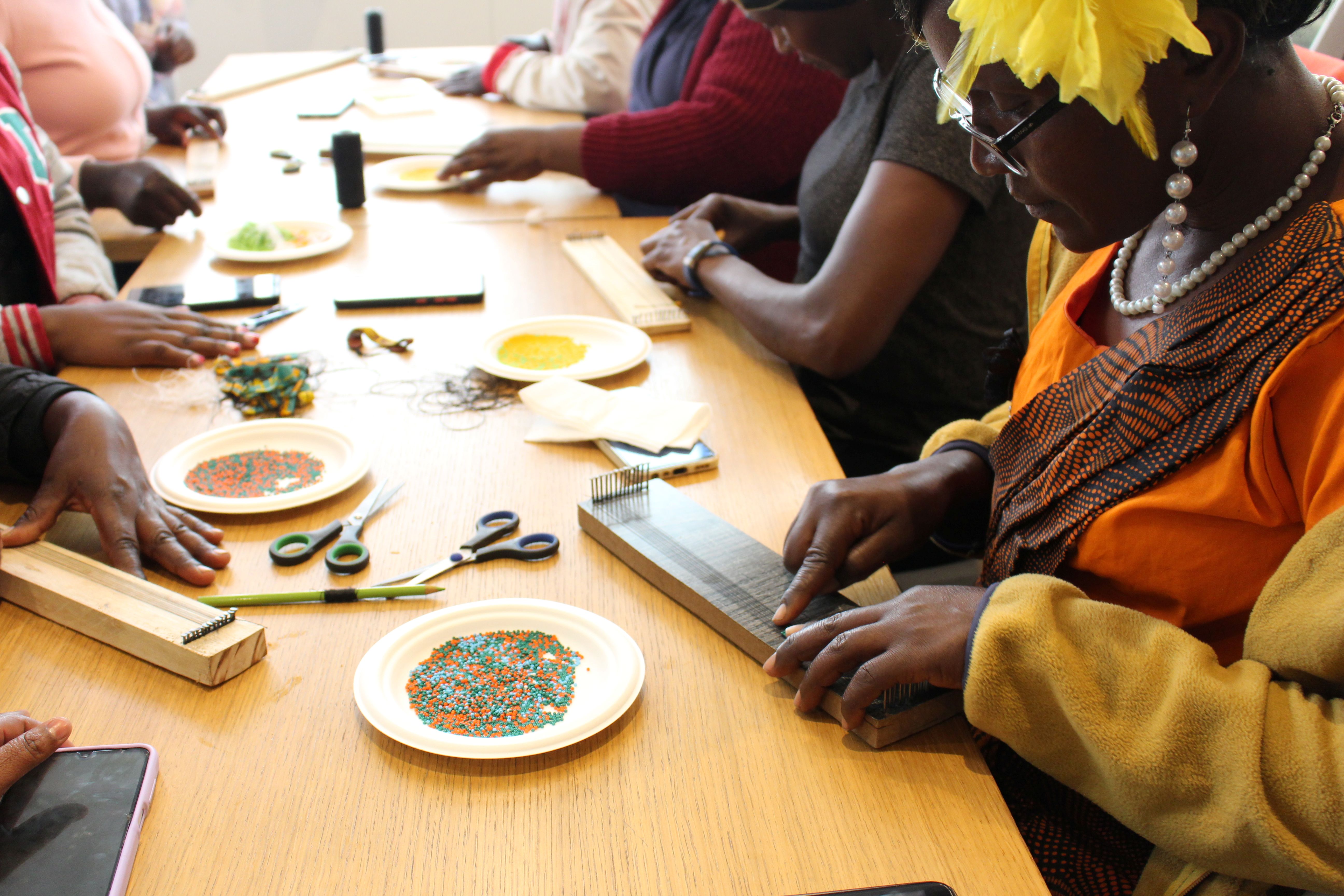
Between May and August 2026, Alight partnered with Bawa Hope and L’afrikana to provide 21 adults from refugee and host communities with training in beaded jewelry making. The initiative aimed to go beyond skills development by creating pathways to sustainable livelihoods, equipping participants with a practical craft they could use to generate income and build greater independence for themselves and their families.

The idea emerged from conversations with community members who faced limited economic opportunities and uncertain incomes, with many relying on irregular work or financial assistance to meet their household needs. In response, the Alight team sought to introduce a practical, income-generating skill that participants could explore, develop, and potentially turn into a sustainable source of income.

The vision for this program extended beyond the training room. It was about unlocking potential and nurturing confidence. “At Alight, our goal is to give choice and share power. This training brought that commitment to life. Empowerment is not simply about learning something new; it is about equipping the community with the skills, confidence, and opportunities to shape a better future for themselves and their families.”— Emelda Asati, Alight
“At Alight, our goal is to give choice and share power. This training brought that commitment to life. Empowerment is not simply about learning something new; it is about equipping the community with the skills, confidence, and opportunities to shape a better future for themselves and their families.”

— Emelda Asati, Alight

A craft with a story

Beadwork holds a familiar place in Kenya’s markets and everyday life. Bracelets and necklaces fill Maasai market stalls, while the Kenyan flag bracelet has become a recognizable expression of identity and a keepsake for visitors. Within Africa’s diverse artistic traditions, these pieces reflect knowledge passed between makers, adapted through new designs and personal stories.

Bawa Hope creates consciously crafted jewelry and provides education and training for refugee and host community artisans. Five of its experienced artisans guided participants at the Hub, with Alight coordinating the program and L’afrikana supporting community outreach.

Bawa Hope trainer Yedeh was born to Rwandan refugees in Tanzania, came to Kenya at two years old, and now considers it home. His beadwork journey began in primary school, making small pieces to sell to classmates. Later, training through Bawa Hope led to work with the organization. Now, he shares those skills with others.

“You normally start small,” Yedeh explained. He began selling to friends, whose recommendations helped him reach new customers. He encourages new makers to explore distinctive designs.

“If you do something different, you have your own market.”

Participants brought their own ideas to the work. Colors carried meanings from their cultures. Patterns reflected individual tastes. Some bracelets held their children’s names.

“Some of these patterns are culturally inspired. The colours carry different meanings depending on where participants come from, giving them a way to express their backgrounds and personal stories through their designs,” explained Carlos, an Alight colleague who works closely with customers at the Nairobi Hub.

Page: /

Learning something new

For Esther, a Kenyan mother of two, beadwork offered a possibility she wanted to pursue. She had tried to build businesses before, but with limited resources, her efforts had struggled to get off the ground. This time, she had access to materials and guidance as she learned.

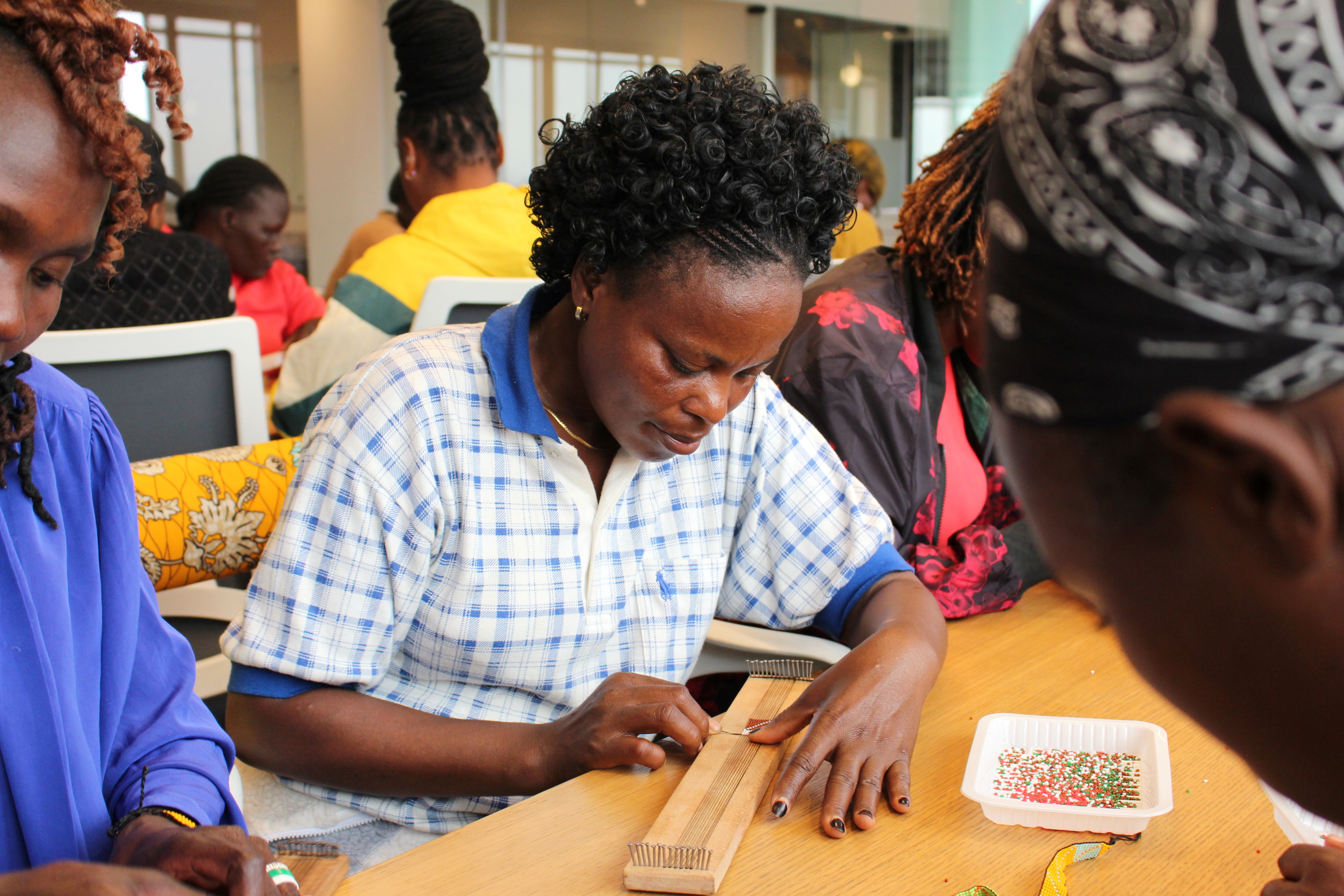
Working with a loom and needle took practice. Patient instruction helped her gain confidence.

“They teach you until you understand,” she said, speaking of the Bawa Hope trainers.

Esther began practicing at home and asking where she could buy beads. She hopes to sell bracelets and beaded earrings online, starting without the expense of renting a shop.

“I’m so happy because I learned something new. I can be my own boss.”

For fellow participant Lucy, learning quickly became something to share. She made a bracelet bearing her son’s name, and he made one for his younger brother. She has also taught beadwork to boys during the school holidays.

“From what I’ve learned here, I want to do something that has not been done,” Lucy said. She hopes to explore decorating bottles with beadwork and creating workshops in her neighborhood.

Space to create together

Alight's Nairobi Hub gave participants dedicated time to practice. Responsibilities at home sometimes made it difficult to finish a piece. Here, they could sit alongside others, ask questions, and work through a design.

Carlos, an Alight staff member who works closely with customers at the Nairobi Hub, watched their early attempts develop into finished bracelets. He also saw people opening up and connecting with community members they might otherwise have had fewer opportunities to meet.

“It’s been quite a beautiful journey to watch as it develops,” he said.

Alongside making bracelets, participants explored business skills, including using WhatsApp to share their work with potential customers. The techniques they learned also offer a foundation for other products, such as lanyards and keyholders.

What they build next

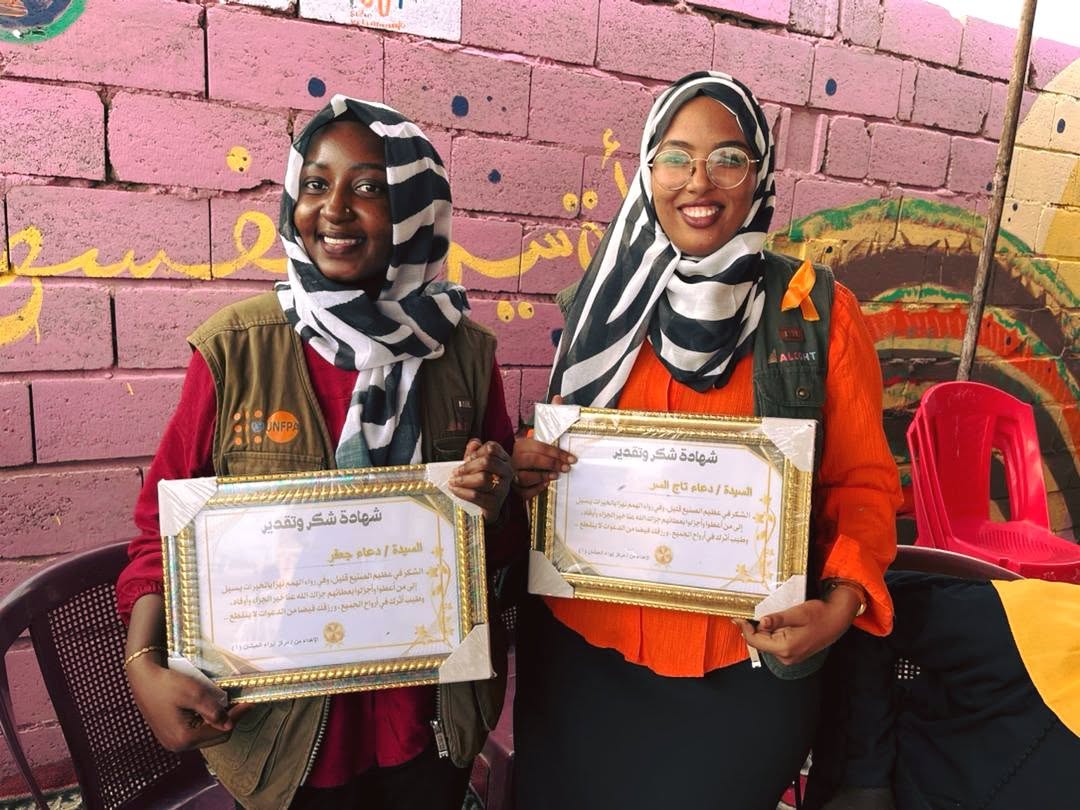
On August 21, all 21 participants graduated, each receiving a certificate and a starter kit to continue practicing.

Their next chapter is still unfolding. Alight will follow their progress to understand how they use their skills and what support could help them develop products and reach customers.

“We don’t just share skills or experiences,” Carlos said. “We want to see someone succeed.”

For now, the graduates leave with tools to keep creating, ideas to explore, and people ready to support what they build next.

Stay in the loop
join our newsletter

Stay connected and learn how we respond to emergencies, amplify displaced voices, and provide sanctuary for those facing adversity.