Case Study

Nakivale Community Library: A community's own

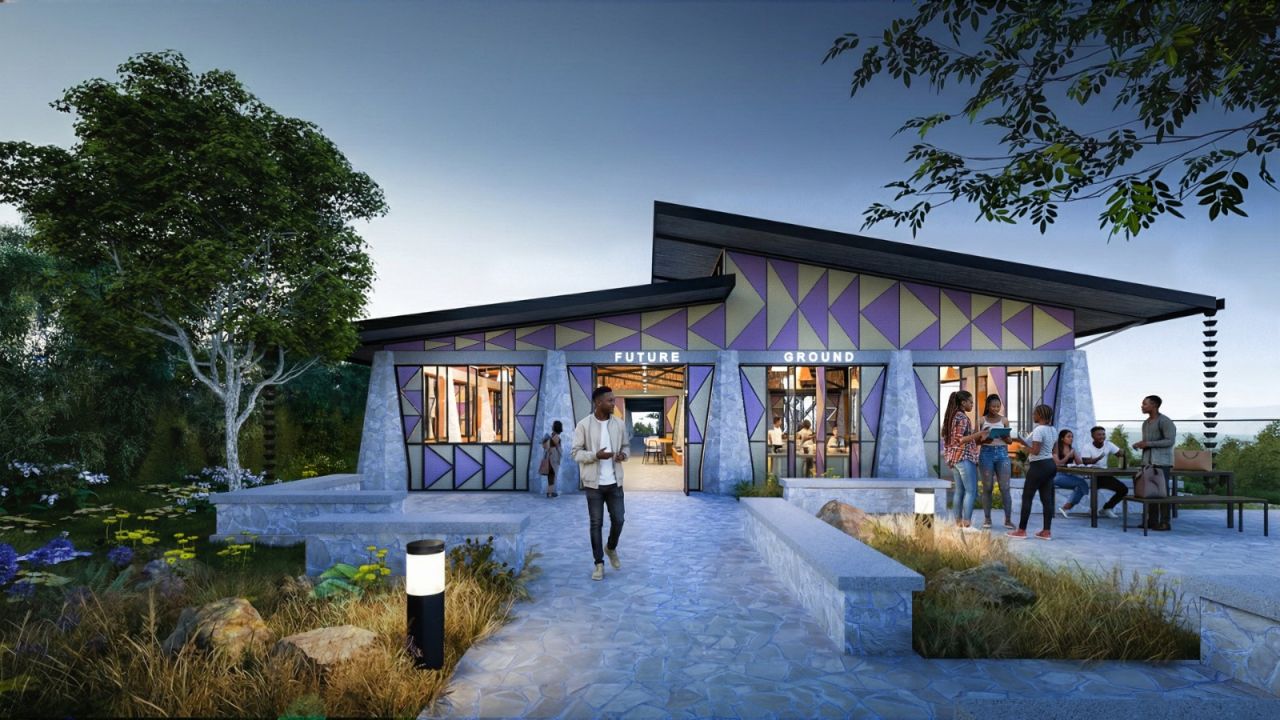
When the Nakivale Community Library first opened its doors in 2019, it became Nakivale Refugee Settlement's first and only public space dedicated to reading. In the years since, it has quietly become one of the settlement's most beloved spaces.
No items found.

Challenge

Nakivale Refugee Settlement is home to over 185,000 people living with some of the steepest educational barriers imaginable. Classrooms run at learner-to-teacher ratios of up to 85:1. Learning materials are scarce. Language barriers, particularly for French-speaking refugees, leave many children placed two or more years behind their actual level. For adults, limited literacy and English skills make it harder to support their children’s learning or find sustainable work. Without structured community spaces for reading, learning, and skills development, entire generations risk being left behind.

The people of Nakivale needed to be equal stakeholders in the vision we are building. That's at the very core.

Jim Wolford, a donor from Minneapolis

Approach

A library is more than a collection of books – and Jim Wolford, a donor from Minneapolis, learnt that the hard way. When he first visited Nakivale and saw children with no access to reading materials, he shipped thousands of books over from the US. They arrived in the wrong languages and sat untouched in their boxes. It was a humbling moment, but an important one. Rather than push ahead with his own vision, Jim went back to the community and started listening – bringing Alight Uganda in as a partner to help make it happen.

Community members, refugee leaders, and school heads were all brought to the table. The library wasn't built overnight – it grew through conversation, small experiments, and a willingness to change course when the community said something wasn't working. What emerged in 2019 belonged to the community from the very start.  

(Read more about the library's origin story here).  

The Nakivale Community Library Network (NCLN) includes a children's library, a main library, a computer lab, an artist's corner, outdoor play space, and a mobile outreach service that carries books directly into underserved corners of the settlement. The libraries hold collections in five languages across a wide range of subjects. The computer lab is used for digital skills training. And the mobile library teams reach communities that can’t easily come to the library itself. NCLN has hosted spelling bees, debate competitions, reading clubs, art therapy sessions, and a young writers’ program through which participants have illustrated and published their own stories. It has also become a quiet but important referral point for protection and mental health support.

Everything is shaped by what the community asks for. When children got too noisy in the main library, a separate children’s wing was built next door. When adults needed basic English and literacy skills, structured classes were added. When young people asked for a space to tell their own stories, the Illustrated Memoir Project was born.

Page: /

Impact

In 2025, the library served over 41,000 people – at the facility and through outreach – including more than 24,000 children. Since the digital skills program began in 2026, 29 participants have gone on to find employment, within just a few months of completing the course.

But what the numbers can’t capture is the shift in confidence that library staff see every day.

Dusenge Enock, 27-year-old Congolese refugee shared: “This has sharpened my mind and I expect to get more knowledge and exposure on writing. Thank you Alight and this project for prioritizing Nakivale youth through opportunities and providing many materials I have never seen and used before.”

Tumukunde Mary Chantal, 22, from Rwanda, put it another way: “I have gained experience of voicing down my story, memorizing my past encounters, and improving my drawing skills. I am now meeting and interacting with new friends.”

Every day, young readers fill the shelves and reading corners, immersing themselves in stories, schoolbooks, and new ideas. In-school students come to the library to research, read, and prepare for national exams and credit it with helping them perform. Out-of-school children come for the mobile library sessions and learning-through-play activities. Adults come for digital training, English classes, and a sense of belonging.

What’s Next

For an institution serving tens of thousands of people, the NCLN has been running on a remarkably slim budget - and it has begun to show. Mobile library outreach has had to be cut back. Adult literacy classes, debates, spelling bees, and other programs that children and young people rely on have been scaled down or paused altogether. The need to restore and expand these services is real and pressing.

A new funding phase running through December 2026 would allow the NCLN to pick up where it left off, and go further: deepening mobile library reach into communities that have yet to be served, restoring adult literacy programming, and continuing to grow the young writers' and artists' program. The goal is to reach 25,000 children and 15,000 adults — but the ambition goes further than one funding cycle. The dream, shared by the Alight team and the community alike, is a library network that keeps growing: more languages, more outreach, more young people finding their voice.  

The vision, as it always has, belongs to the community. Seven years on, the people of Nakivale are still the ones leading, building, and deciding what comes next. The library is theirs – and it's just getting started.

Support Nakivale Library

Donate today

Tags

No items found.

Stay in the loop
join our newsletter

Stay connected and learn how we respond to emergencies, amplify displaced voices, and provide sanctuary for those facing adversity.