


Stay in the loop
join our newsletter
Stay connected and learn how we respond to emergencies, amplify displaced voices, and provide sanctuary for those facing adversity.


%20(4).png)
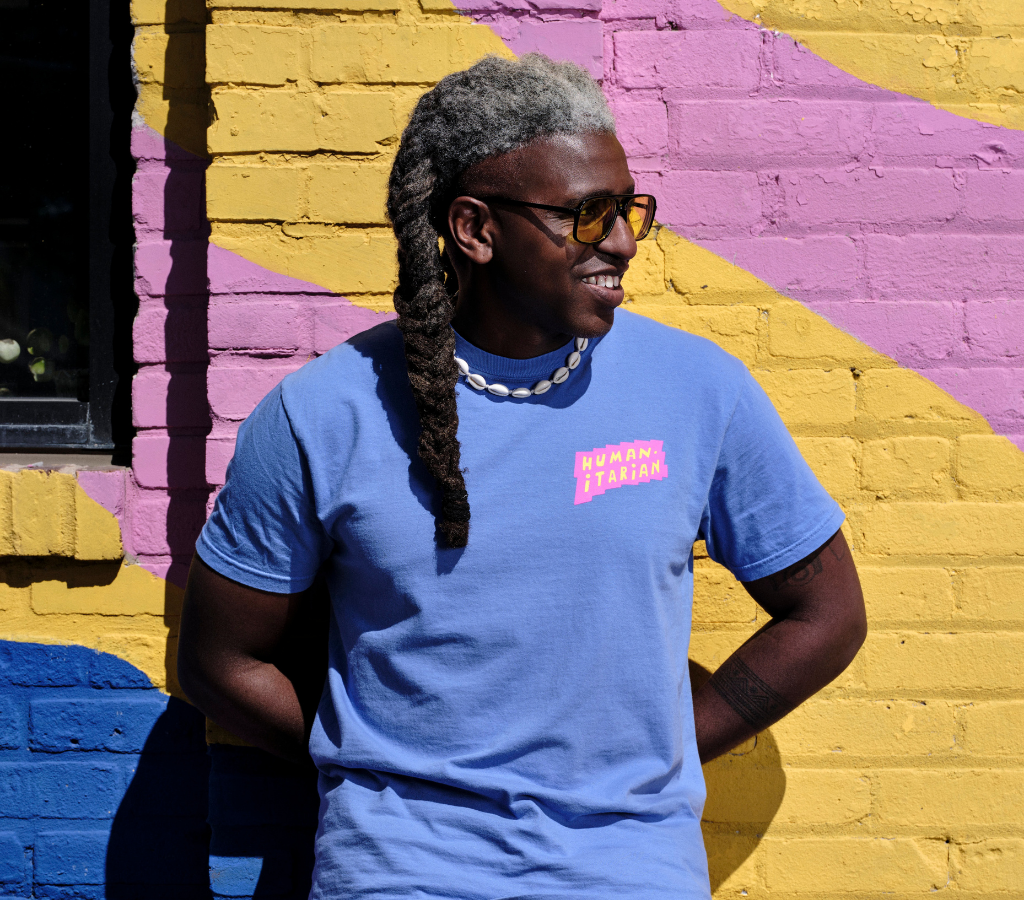
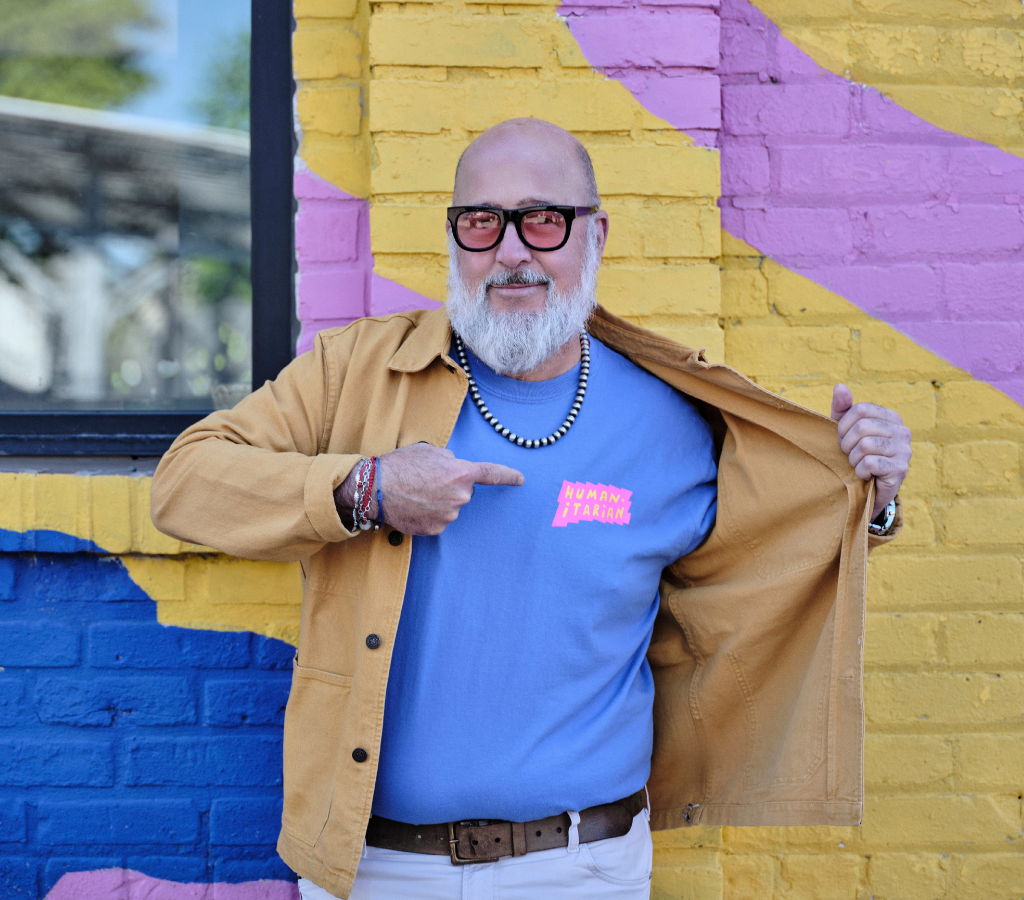
Launching in celebration of World Refugee Day 2026, every purchase helps support people affected by displacement around the world
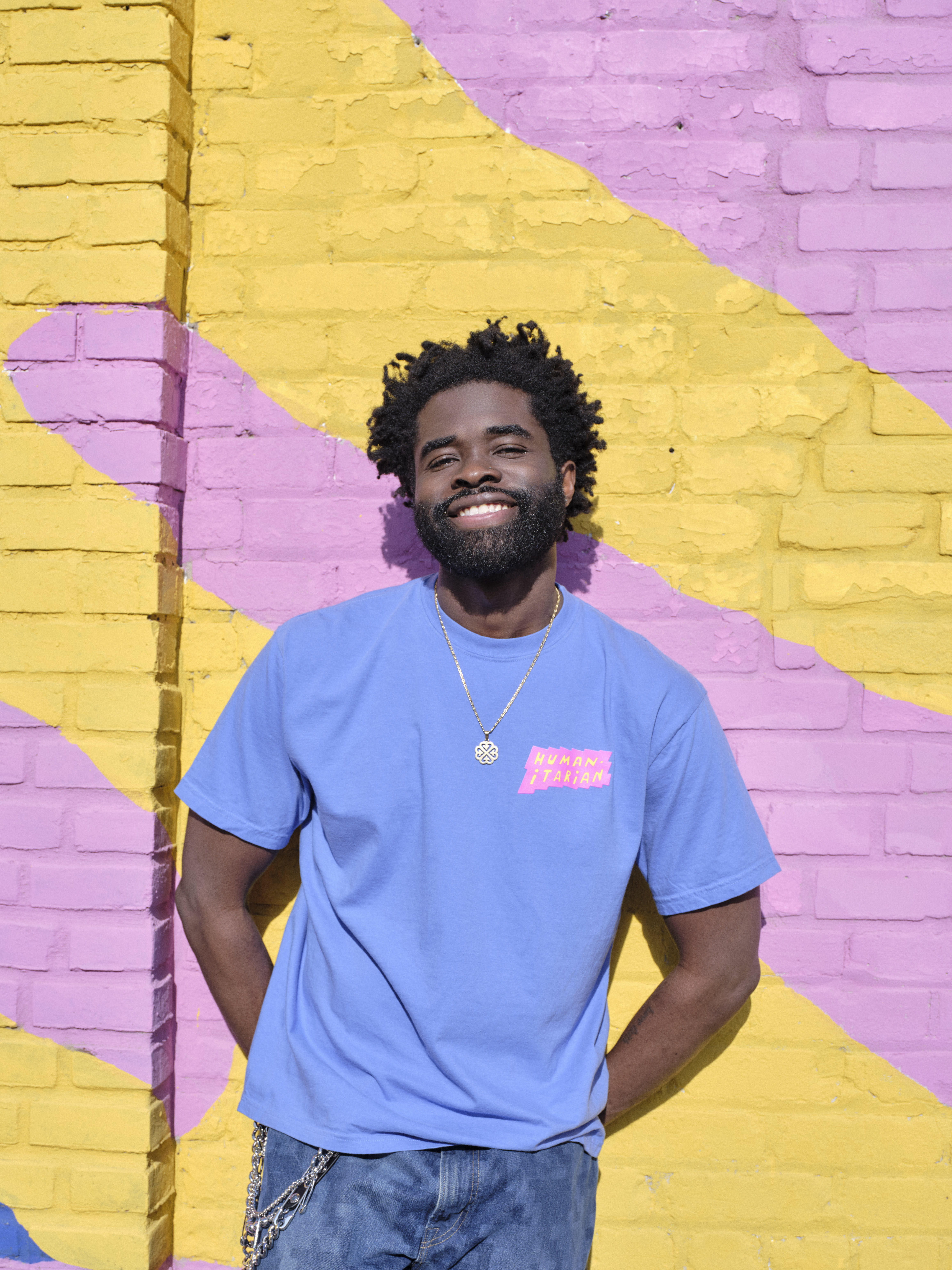
Made from 100% pure cotton and featuring a bold “Humanitarian” graphic on the back, this everyday essential celebrates the belief that anyone can make a difference. Price: $34.99

Carry what matters. This durable tote features the signature “Humanitarian” print, turning a daily accessory into a symbol of solidarity and hope. Price: $24.99
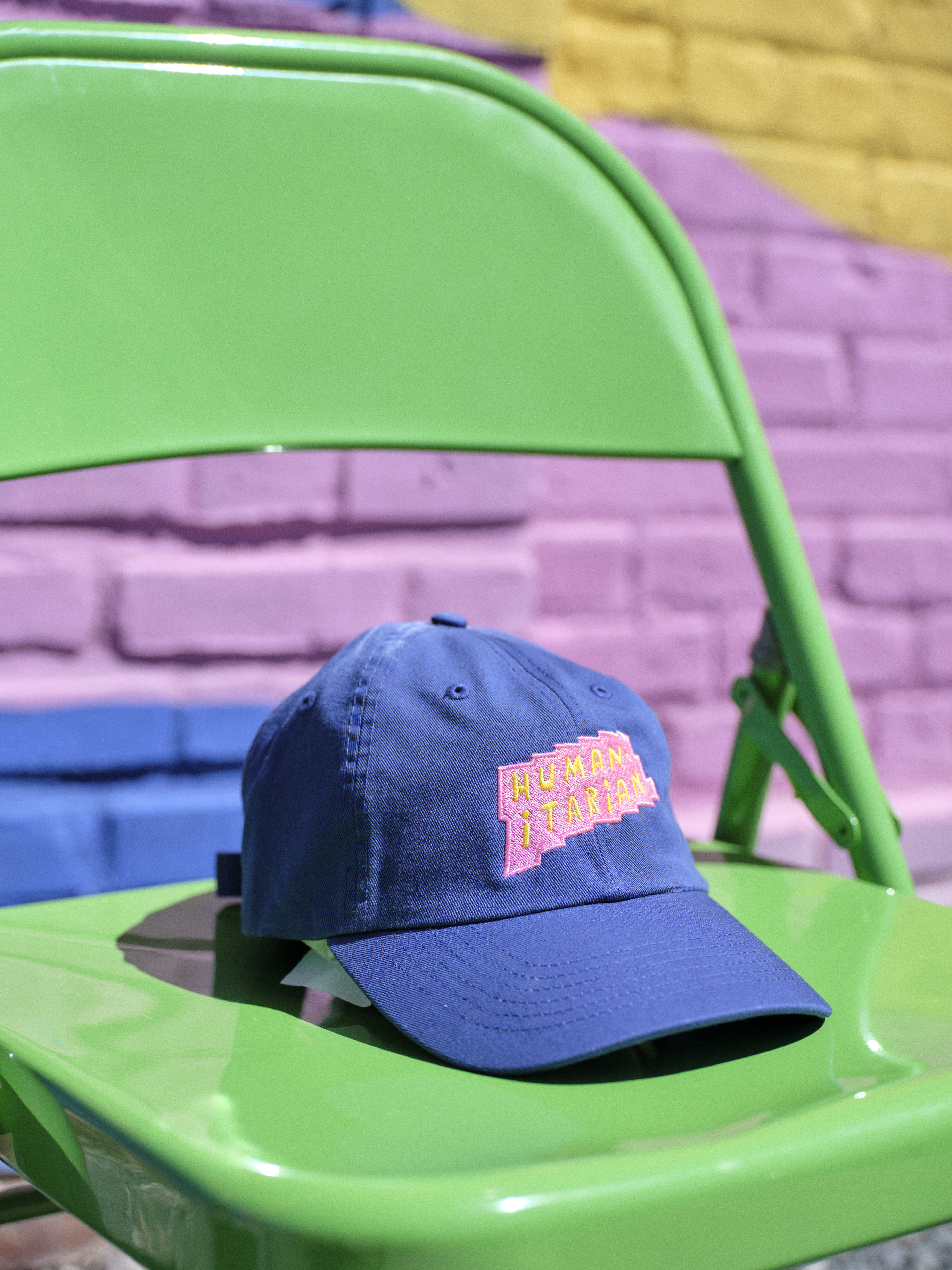
Featuring the iconic “Humanitarian” logo, this everyday cap is a conversation starter and a reminder that humanitarianism begins with a choice.
Price: $29.99

“As a daughter of refugees I came to see firsthand my parents and their journey of coming to the United States, and finding refuge here and being able to have support and have people around them who truly believe that there is more to life than surviving. So when it comes to supporting refugees, I believe that it's just as much as just being human, like breathing, you know?"
“What does being a humanitarian mean to me? I would just focus on the first five letters: human. We're all one people and the unfortunate thing is some people are born in places where they can't stay, and so sadly migration is necessary. And so, I think we should be able to do all we can to support those people who have been forced to migrate and leave their homes and create new homes in other places. To me, that's the biggest part about being a humanitarian. It is integral to the type of life that I lead, and the community I want to be a part of.”
“All around the world, we have compartmentalized compassion. In other words, I only have compassion for you and your problems because you're part of my group. I think that is one of the great tragedies of the 21st century world that we live in. And we have to break that chain. We have to have compassion for everyone. Because by not doing so, we are limiting our own growth as individuals, as a community, and as a society.”

“The best of Minneapolis and Minnesota by extension has been the welcome that it's extended to people from far away who are looking to build a new life. Growing up, refugees were a part of the classrooms in the public school that I attended. They are just part of the community of peers and students. And as a kid, of course, you don't realize how much political and social effort it takes to ensure that people from far away are welcomed and set up with a decent prospect of success.”
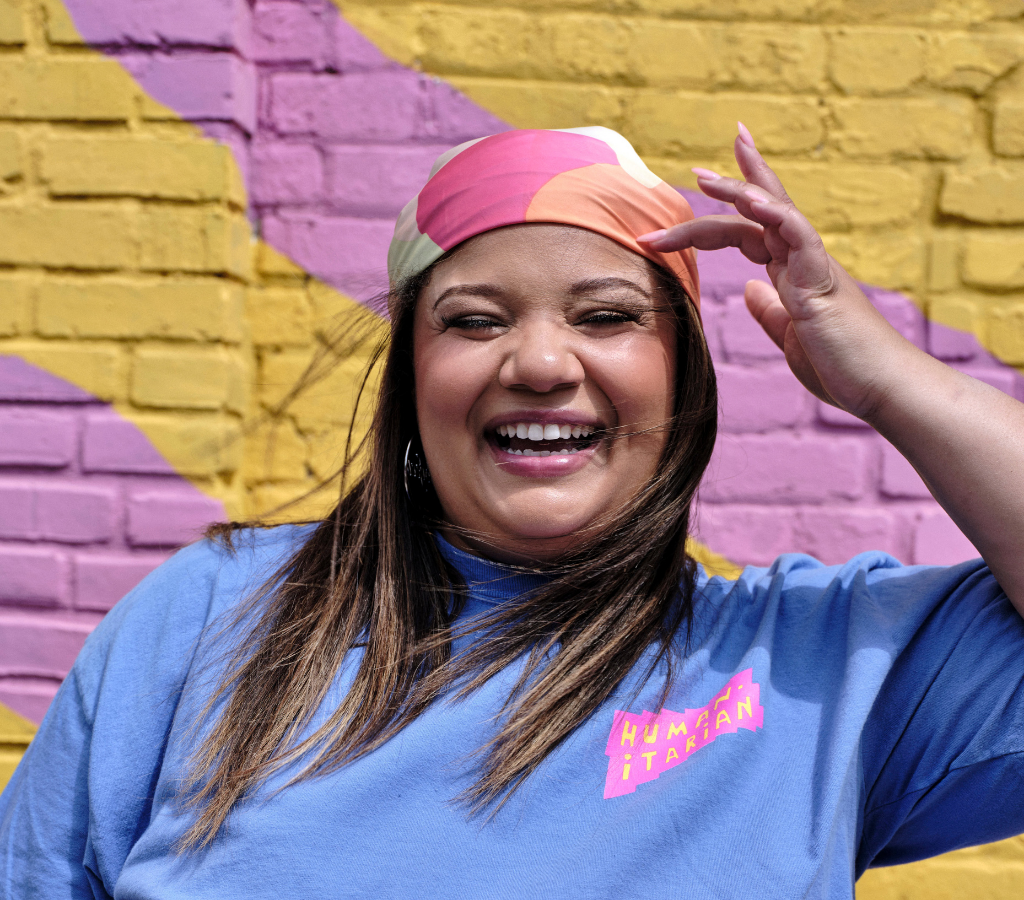
“I've never considered myself a humanitarian, so this is kind of a new place that I'm stepping into, especially after the past few years and how I've chosen to show up for our communities [in Minnesota] during some of the hard times. I'm doing what I can with what I have, with my platform and my voice to share the stories, share information and spread kindness and the positive messages that we need in the world right now."

“True grace is not something you keep. True grace is something you pass on. Regardless of if you're born in this country or not, there would be a moment you felt lost, you felt empty, you felt alone. We all know all those feelings regardless of where you're born. So let's tap into that and say: ‘Hey, how do we help others answer that question of where do I belong?’“

"My parents and I immigrated here in 2003 from Togo. A lot of my friends are immigrants or refugees and we share similar stories. It just taught me so much about why people move and how that impacts so many decisions that they make in their lives. And especially being in Minneapolis, a lot of the friends that I have are related to a refugee story in some way. Oftentimes refugees and immigrants don't really share their stories because you focus on other things, you don't want to make it about you. So, just always support and be an advocate and do whatever [you can].

"Being humanitarian to me is one of the most selfless things you can do. I think it's like looking beyond just yourself to be able to either connect, support, learn from, teach anybody around you. Whether it's your immediate community, whether it's a stranger. I think it's just having that compassion for people."
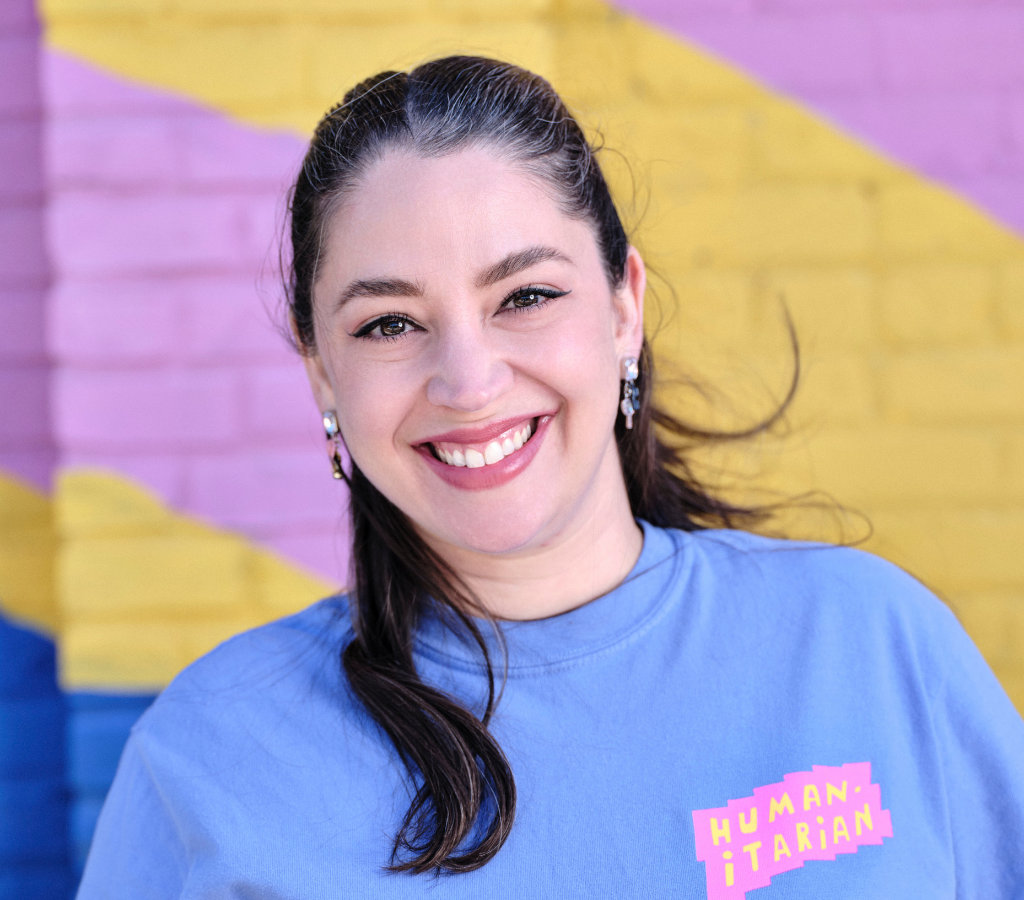
“Sometimes we forget what it truly means to be human. For me, being humanitarian means going back to your roots, understanding others, being humble, and not judging people because of the situations they are living through. Being humanitarian means helping without expecting anything in return.”

“Being a humanitarian means that you have deep concern for the human condition. That regardless of somebody's race, class, where they come from, their sexuality, their gender, et cetera, you see that that person is a person, they're a human being and they deserve to be here. They deserve to have the things
they need in order to survive. And they deserve to be able to thrive, not just have the bare minimum. And to be a humanitarian to me means that you want to see all people thrive.”

“It feels good to help people. And I think that you overlook that sometimes. And it's really simple. It could be something as easy as helping someone with their groceries or something. And I think we just get so caught up with this, me, me, me, self-centered kind of look out for myself. I mean, it's tough out there, but it's important to pause and look around and see how you can help others.”
%20left.png)
.png)

Alight-A-Whirl turned creativity into action, connecting artists and community members in support of displaced families worldwide.
READ MORE ↗.png)
Stand with refugee families across Minnesota as they recover from recent immigration enforcement actions. This page brings together essential resources, ways to get support, and opportunities to take action.
READ MORE ↗
In honor of World Refugee Week, we asked our Minnesota community in the Twin Cities to share their favorite immigrant and refugee-owned businesses and/or artists, writers, chefs and more. Here's what they shared!
READ MORE ↗
Right now, there are millions of displaced people fleeing violence and persecution around the world who are seeking a pathway to the United States. Becoming a Welcome Corps sponsor is a life-changing opportunity to stand alongside someone as they rebuild.
READ MORE ↗Stay connected and learn how we respond to emergencies, amplify displaced voices, and provide sanctuary for those facing adversity.