Stories

Our staff in Somalia refused to walk away

In the face of funding cuts and growing humanitarian needs, Alight’s staff in Somalia made a choice: they would not walk away.
No items found.
No items found.

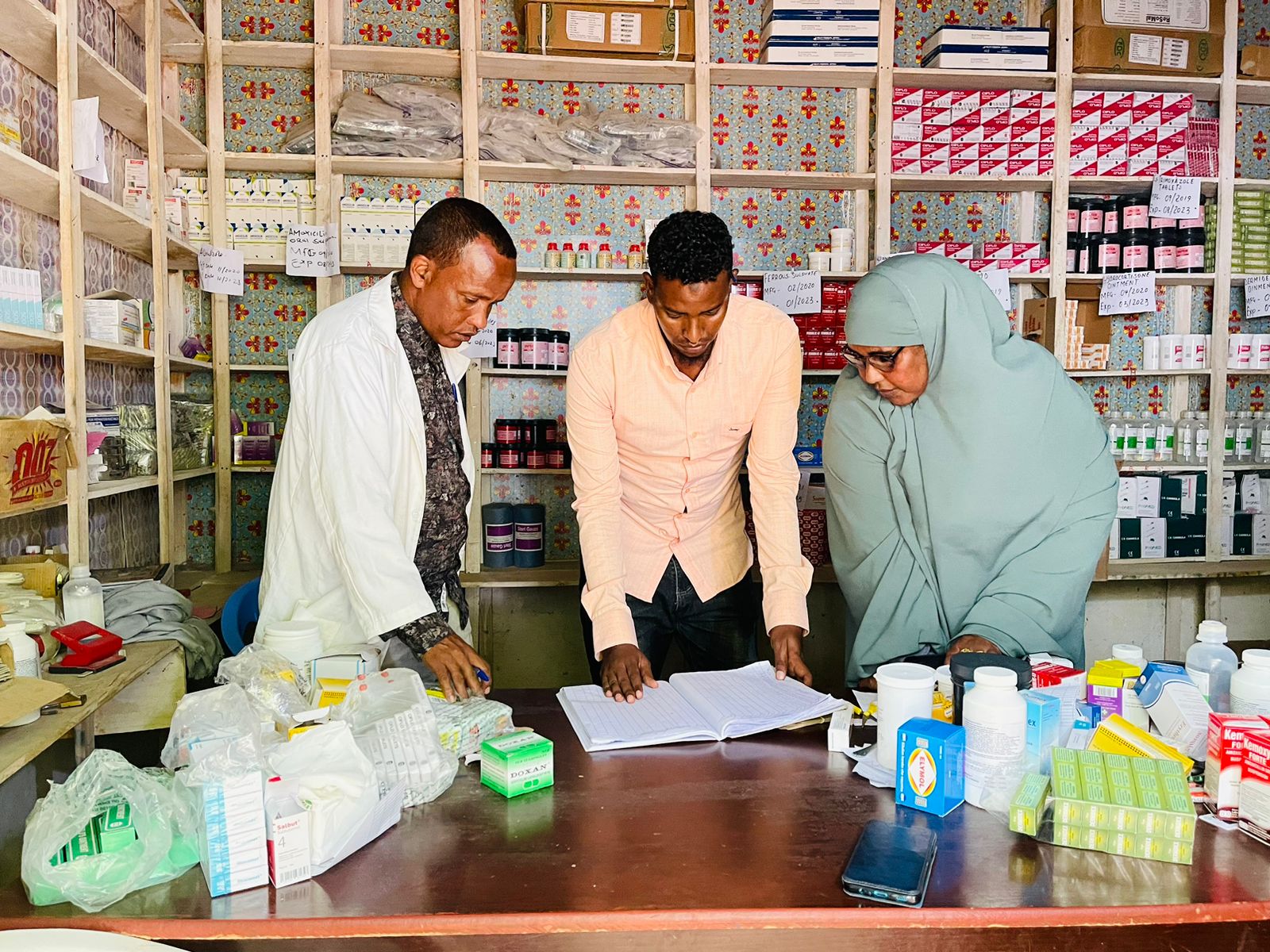
Earlier this year, humanitarian funding cuts forced 13 Alight-supported health facilities in Somalia to close. This meant thousands of people lost access to essential care overnight. Communities already facing drought, conflict, and displacement were left with even fewer options. For many families, these clinics were the only place to go for medical support, safe childbirth, and lifesaving nutrition services.

Sustaining lifesaving healthcare in Somalia: it’s a team effort

In response, Alight colleagues stepped forward. They refused to walk away from the communities they’ve been serving for years, and they volunteered to work for free and donated from their own wallets.  Even though many of our Somali team members were themselves affected by the funding cuts, they raised over $30,000 USD and managed to reopen most of the health facilities by the next week, restoring a critical lifeline. Rather than stepping back, Alight’s Somali team leaned into a deeply rooted cultural value: collective support.

These combined efforts made it possible to reopen 11 health facilities, restoring access to essential care for more than 250,000 people across Banadir, Lower Juba, and Sool regions.

Our teams have built relationships with these communities over many years, walking away was not something they were willing to do.

Wardere Hassan, Health and Nutrition Coordinator, Alight Horn of Africa

For Alight’s leadership, the response reflects a clear commitment.

“What matters most right now is our continued accountability to the people we serve,” said Adan Adar, Executive Director for Alight in the Horn of Africa. “Our focus remains on sustaining hope, dignity, and presence in communities affected by drought and conflict.”

He added, “We have seen staff contribute their own resources, time, and energy to keep critical services running – ensuring that mothers, children, and families are not left without care.”

Page: /

A system at risk

The closure of these facilities posed immediate and serious consequences for the communities they serve. Each month, these clinics provide care to approximately 15,000 patients, support 400 mothers with skilled birth services, and deliver nutrition support to 3,500 children under five - reaching those who are often most vulnerable to health risks and least able to access alternative care.

Without access to health clinics, pregnant women risked going through childbirth without skilled support, and newborns faced missing critical, life-saving vaccinations in their earliest days. For children already struggling with malnutrition, the loss of treatment and feeding programs could quickly become life-threatening.

“It was not the right time for Alight to exit,” said Wardere Hassan. “The community is in a more critical situation now than before, with increased displacement, drought, and loss of livelihoods.”

Reaching out for support

With emergency support organized by the staff, Alight is able to keep services at the health clinics running for the next three months, creating critical time to seek additional funding. The team has reached out across multiple channels: engaging donors, building private sector partnerships, and connecting with the Somali diaspora.

As part of this effort, they launched a WhatsApp group, Friends of Alight Horn of Africa, bringing together supporters from around the world. The platform became a space to share updates, highlight impact, and mobilize continued support in real time.

“It’s a matter of resilience and the will to keep serving our communities,” said Wardere Hassan. “Even when funding ended, our teams were thinking about how they could continue, even if it meant working voluntarily.”

What it takes to keep care going

The reality of sustaining these services is both urgent and tangible:

  • $250–$300 keeps a facility running for one day
  • $7,500 supports a facility for a full month
  • $40–$60 covers one safe delivery
  • $80–$100 provides a child with healthcare for an entire year

Sustaining these services comes down to consistent, practical support. The costs are straightforward, but the impact is profound. A few hundred dollars can keep a facility open for a day. Monthly operations depend on steady funding. The cost of a safe delivery, or a full year of care for a child, is relatively small, but only if those resources are available when needed.

Looking ahead: building for sustainability

While the immediate response has helped keep services running, the focus now is on what comes next. The goal is to strengthen the 11 health facilities – building systems that are led by the community and can endure beyond short-term funding cycles.

“This is an opportunity not just to keep services running, but to build toward long-term sustainability,” said Kadira Osman, Area Manager – South, Central, and North Eastern Somalia.

That work is already in motion, with efforts to deepen partnerships, explore community-based contributions, and support locally driven approaches to care.

This is a pivotal moment for the people we serve in Somalia. Contributions at any level directly help keep these facilities open, support frontline health workers, and ensure that life-saving healthcare remains within reach for hundreds of thousands of people.

Tags

No items found.

Stay in the loop
join our newsletter

Stay connected and learn how we respond to emergencies, amplify displaced voices, and provide sanctuary for those facing adversity.